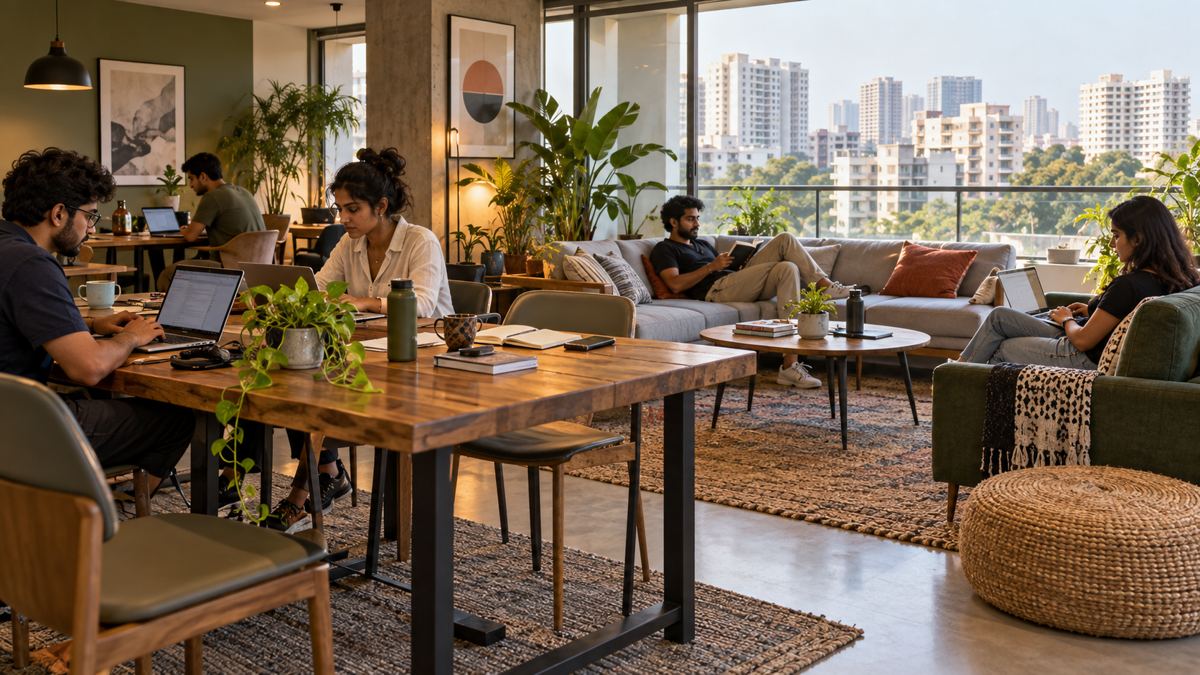
A proposed expansion into rental housing
Naiknavare Developers plans to spend more than ₹125 crore over two years on a co-living business and aims to develop around 5,000 beds over seven years, according to an ETRealty interview with director Ranjit Naiknavare published on 2 October. The developer is also targeting approximately 20% revenue growth in FY27 over FY26.
The interview took place on the sidelines of CREDAI NATCON in Kolkata. ETRealty records publication and update at 10:51 PM IST on 2 October; that timestamp establishes when the information became available, rather than independently establishing the day on which the interview occurred.
The company is designing projects on two land parcels it owns. Initial properties would likely be managed by an external operator, with the developer considering its own operating role later. The published account describes a trial period before possible acceleration. It does not establish that the planned expenditure has already occurred or that the full bed target is approved, built or available to tenants.
A broader business platform
Naiknavare's official website already lists a range of development activities, including residential, commercial, plotted development, redevelopment and slum rehabilitation. It also describes co-living as an offering combining private accommodation with shared community space. The website supports the existence of this broader business direction; it does not independently substantiate the new spending figure or delivery timetable.
For a developer, retaining rental accommodation changes the relationship with a building. A sale-led project depends principally on selling units and delivering them. A retained property also needs sustained occupancy, maintenance and operating performance after completion. This is BrickBharat's interpretation of the proposed rental model, rather than a company forecast of earnings.
The distinction also helps explain why an operating partner matters. Buildings and services are connected, but they involve different day-to-day responsibilities. Tenant onboarding, repairs and common-area management can influence whether accommodation remains attractive after its initial opening.
Existing research provides context, not a new forecast
A Colliers release dated 8 May 2025 estimated organised Indian co-living inventory at about 300,000 beds and potential demand at 6.6 million beds. It projected inventory approaching one million beds by 2030. Those estimates are historical market context; they are not verified October 2026 stock counts and cannot establish demand for either of Naiknavare's specific sites.
Colliers associated the segment with students and mobile young professionals seeking furnished accommodation, flexible stays and bundled services. Its research also described lease, management or revenue-sharing, and franchise models. These arrangements distribute property and operating responsibilities differently, making the final structure important when assessing any particular expansion.
For prospective residents, the useful comparison is the total cost and service package. A quoted monthly rent alone does not reveal deposits, separately billed services, notice periods or the quality of management. No Naiknavare tariff or tenant contract is established by the newly reported plan.
What would turn the target into delivered supply?
BrickBharat's assessment is that the next material milestones would be identifiable locations, project-level permissions, an operator agreement, construction progress and opening dates. None should be inferred from the bed target alone. A seven-year ambition can guide strategy while leaving substantial scope for changes in phasing and scale.
The announcement therefore adds a proposed rental-housing business to the developer's growth agenda. Its significance will become clearer as the company moves from design and stated intentions to documented delivery and occupied accommodation. For now, it is a management plan supported by attributed reporting, rather than confirmation of 5,000 operational beds.
Sources
- ETRealty — Naiknavare interview, Ankit Sharma; published and updated 2 October 2026, 10:51 PM IST. Primary interview reporting; spending, growth and bed figures attributed to management.
- Naiknavare Developers — Our Verticals, official company page; publication/update date not displayed; accessed 3 October 2026. Business-background corroboration only.
- Colliers — Co-living segment gains traction in India, 8 May 2025; no update date displayed. Original research context, not fresh inventory data.