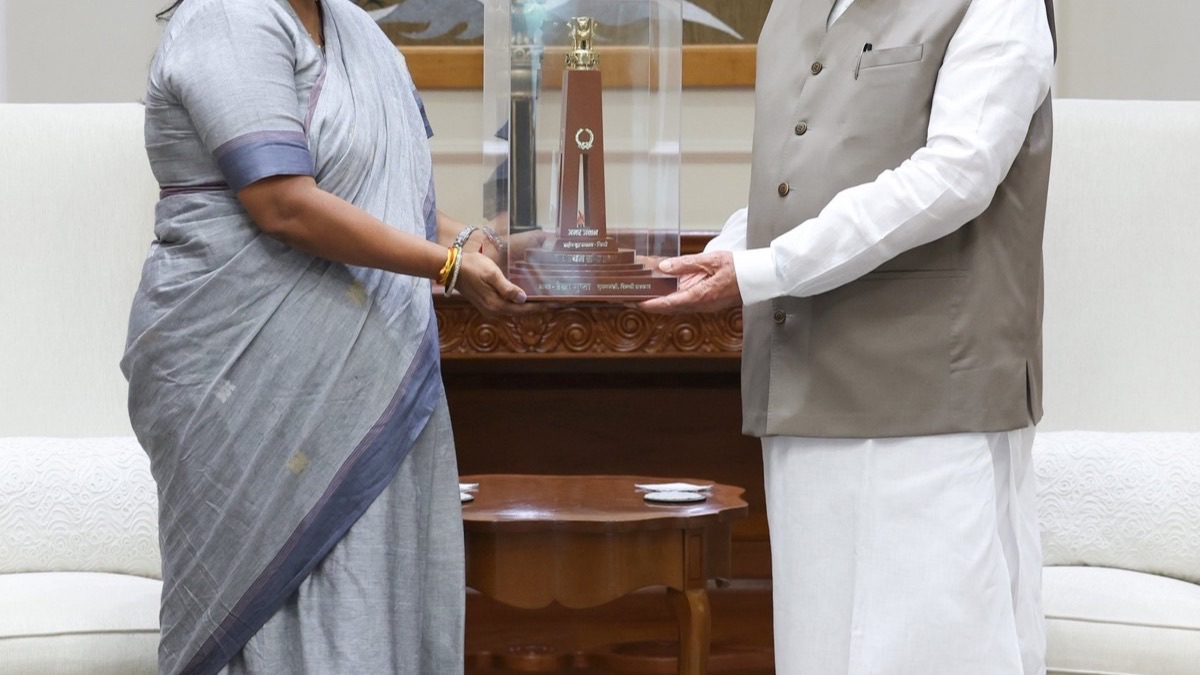
The Delhi government has notified the Delhi Slum and Jhuggi Jhopri Relocation and Rehabilitation Policy, 2026, which aims to provide permanent homes to an estimated 4 lakh to 5 lakh families, or about 20 lakh people. The Delhi slum rehabilitation policy 2026 covers households in settlements established before 1 January 2025.
Chief Minister Rekha Gupta said the policy would speed up the 'Jahan Jhuggi, Wahan Makan' (a home where the jhuggi stands) programme, according to PropTech Pulse. She linked it to Prime Minister Narendra Modi's 'antyodaya' idea of putting the poorest first.
What families will get
Each eligible family is to receive a 1BHK flat, with one bedroom, a hall and a kitchen, in a planned residential complex. These complexes are to include schools, anganwadi centres, healthcare facilities and playgrounds.
The policy gives priority to in-situ redevelopment, meaning new flats on the same land. Where that is not possible, families are to be moved within a 3 km radius of their existing settlement.
Key protections in the Delhi slum rehabilitation policy 2026
A settlement cannot be removed until alternative accommodation has been arranged for its residents, Construction World reported. Independent families living on different floors of the same structure will get separate units.
Families with persons with disabilities will get priority for ground-floor flats, subject to certification and availability. Units will be allotted jointly to married couples, and allotment will be through a computerised draw of lots.
The government will maintain common infrastructure, services and security for five years from the first allotment, PropTech Pulse reported. A centralised GIS-based platform, a digital mapping system, will track projects, allotments and beneficiary records, and a grievance and appeal system will handle objections.
The role of private developers
The policy allows in-situ redevelopment through public-private partnership (PPP). In such projects, the developer must either arrange temporary or rental housing for affected families or pay them rent assistance while construction is under way.
Details such as the floor area ratio for these projects and the overall timeline were not part of the published reports.
What it means for you
For jhuggi residents, the 1 January 2025 cut-off is the first test of eligibility, so documents showing residence before that date will matter. The 3 km limit is meant to keep families close to their jobs and schools. Since flats are allotted by computerised draw, families will not pick their own unit, apart from the ground-floor priority for persons with disabilities.
For developers and the wider Delhi property market, the PPP route could open up redevelopment of occupied land parcels, but only on the condition that residents are housed or paid rent during construction. How fast projects move will depend on the rules and agencies named to carry out the policy.
Sources
- Aurum PropTech Pulse: Delhi Notifies Slum Rehab Policy for 5 Lakh Families — published 6 November 2026.
- Construction World: Delhi Slum Rehab Policy to Provide Homes to 2 mn People — published 10 November 2026.
Frequently asked questions
Who is eligible under Delhi's slum rehabilitation policy 2026?
Eligible households must live in settlements established before 1 January 2025, according to reports on the Delhi Slum and Jhuggi Jhopri Relocation and Rehabilitation Policy, 2026.
What kind of house will jhuggi families get?
Eligible families will get a 1BHK flat (one bedroom, hall and kitchen), preferably at the same site or within a 3 km radius of the existing settlement.
Can a jhuggi be removed before a new flat is ready?
No. Reports say the policy bars removal of a settlement until alternative accommodation has been arranged for its residents.